

Published on: 2025-08-06 | Written by: Dr.Nahal El-Meniawy Obstetrics and Gynecology
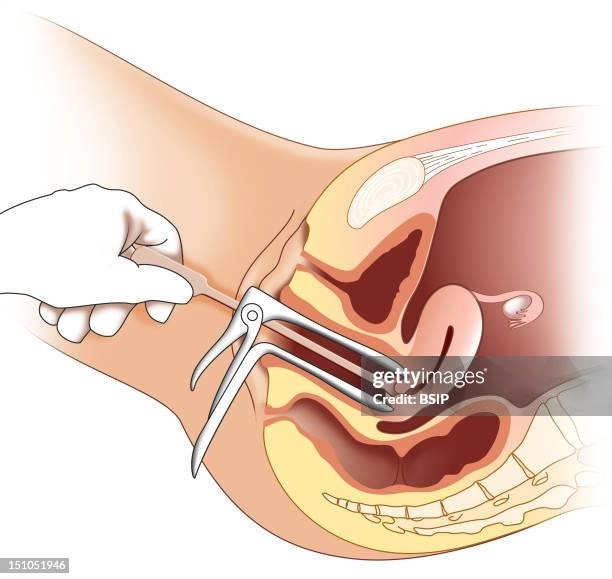
What is gynecological endoscopy?
Gynecological endoscopy is a precise medical technique used to diagnose and treat many conditions affecting the uterus, ovaries, and fallopian tubes. It involves the use of fine instruments inserted through the cervix or small incisions in the abdomen.
Doctors emphasize the importance of gynecological endoscopy in detecting causes of infertility, pelvic pain, irregular bleeding, or ovarian cysts.
Dr. Nihal El Miniawy explains that endoscopy allows direct visualization of the uterine cavity or abdominal organs, aiding accurate diagnosis without the need for major surgery.
Hysteroscopy:
Used to examine the inside of the uterus and detect adhesions, polyps, or congenital abnormalities.
It is important to note that Dr. Nihal El Miniawy clarifies this procedure typically does not require general anesthesia and is often done in the clinic.
Laparoscopy:
Used to diagnose ovarian, tubal, or endometriosis-related issues, and allows for immediate treatment during the same procedure.
Dr. Nihal El Miniawy confirms that laparoscopy reduces recovery time and is a safer alternative to open surgery in many cases.
Dr. Nihal El Miniawy stresses that early diagnosis using gynecological endoscopy significantly improves fertility chances, especially in cases of blocked tubes or intrauterine adhesions.
It is crucial to affirm that gynecological endoscopy is safe and effective, especially when performed by a qualified specialist.
Dr. Nihal El Miniawy emphasizes that these procedures do not affect fertility; on the contrary, they help treat obstacles that may prevent pregnancy.
Dr. Nihal El Miniawy urges regular checkups and the use of modern techniques such as endoscopy to detect silent reproductive system disorders before they progress.
It is recommended to consult Dr. Nihal El Miniawy if you experience unusual symptoms such as recurrent bleeding, chronic pelvic pain, or delayed conception.